Infertility affects men and women of childbearing age and exposes sufferers to many emotional and psychological problems. Bee pollen, which is collected from plant anthers by honeybee, has different pharmacological and therapeutic effects. In this study 60 patients (age 22-48) were randomly divided in to groups (30 each), control group received normal fertility medicines (vitE, HCG, Zinc, Afrodite, tamoxifene and etc) The treatment group received bee pollen tablets (1500 mg, once daily) for three months. Semen analysis report (spermogram test) including sperm counts, motility and morphology were taken from patients before and after administration of bee pollen tablets. Results showed in control group, 2 of them (10 %) showed improvement in spermogram parameters and their wives got pregnant. In treatment group, 3 of patients (10%) showed improvement in spermogram parameters and their wives became pregnant. Also 14 patients in treated group, showed improvement in spermogram parameters and were satisfy from results and want to take the bee pollen tablets again. Three patients showed no improvement in spermogram parameters. Data showed that bee pollen tablets could improve the sperm count and motility, compare to control group, so it could be a good medicine for infertile men.
Key words: Bee Pollen; Infertility; Sperm; Male Fertility; Semen Analysis
Infertility is a problem for approximately 15% of couples [1]. About half of this problem is due to male infertility. Infertility is due to low sperm production, defective or immobilized sperm, or an obstruction that prevents sperm release. Diseases, injuries, chronic heart problems, lifestyle and other factors can affect infertility
Today, with the advancement of science and technology, it has become clear to all researchers in the field of infertility that, infertility is not only a female problem, but also for men. Researchers acknowledge that couples play a similar role, and accounting for about 35 to 40 percent of the causes of infertility. About 5 million couples worldwide suffer from infertility. The incidence of infertility has increased by about 50 percent in the last two decades, as one out of six couples worldwide is infertile. About 35% of infertility problems are related exclusively to women, 35% to men, 20% to women and men, and the remaining 10% is due to unknown causes [1,2]. Stress, frustration and shame from infertility can be painful and destructive for the couple's mental health as well as the relationship between them [3]. Most of the time, the cause of infertility in men is due to lack of sperm production or poor sperm quality. A normal man produces about 100 million sperm. About 10% of men who are infertile do not produce sperm at all [1]; this means that there is no sperm in their seminal fluid and they are actually azoospermia. About 80 to 90 percent of other men have sperm, but their sperm may have different problems including oligospermia, which means that their sperm count is very low [2].
Bee pollen is collected from plant anthers. The chemical composition of bee pollen, depends strongly on the plant source and geographic origin, together with other factors such as climatic conditions, soil type, and bees’ race and activities. There are about 250 substances including amino acids, lipids (triglycerides, phospholipids), vitamins, macro- and micronutrients, and flavonoids in bee pollen [4,5]. Pollen grains, depending of the plant species, differ in shape, color, size, and weight. The grain shapes are diverse: round, cylindrical, bell-shaped, triangular, or thorny [6].
Some studies showed that bee pollen has different pharmacological and therapeutic effects including; lipid lowering effect [7], anti-hypertension [8], hypoglycemic activity [9], detoxifying action [10], anti-inflammatory [11] and antiallergic activity [12].
Unfortunately, there are not any studies on the role of bee pollen in the treatment of infertility in humans, but an animal study shows positive effect on male fertility. A study on male rabbits showed that those rabbits that were fed bee pollen as a part of their diet, experienced significantly improved fertility and semen quality compared to the control group [13].
Studies showed that, healthy dietary models clearly correlate with better sperm quality and a smaller risk of abnormalities in parameters such as sperm count, sperm concentration and motility, and lower sperm DNA fragmentation [14]. A study of 250 men who had sperm analyzed at a fertility clinic showed that men who ate higher amounts of fruits and veggies, particularly green leafy vegetables and beans (legumes), had higher sperm concentrations and better sperm motility compared to men who ate less of these foods.
Apart from mineral components such as zinc and selenium, the role of omega-3 fatty acids and antioxidant vitamins should be emphasized, since their action will be primarily based on the minimization of oxidative stress and the inflammation process. A diet rich in processed and according to some sources, red meat, fatty dairy, coffee, alcohol, sweet drinks and sweets, potatoes, and simultaneously deficient in whole-grain products, vegetables and fruits, poultry, fish and seafood, nuts, and lean dairy is associated with poorer semen parameters and reduced fertility [15,16,17].
In this research, bee pollen that was formulated as tablets, were used in infertile men. Since sperm formation takes almost three months, therefore patients received the tablets for three months.
Bee pollen was purchased from Shahd Golha Company (Mashhad Iran). Pollens then turned into tablets (750mg) in Sajjad Daru Pharmaceutical Company, Toos Industrial Town (Mashhad, Iran).
This study was carried out on sixty male patients (age 22-48) that referred to Urologist personal office. Inclusion criteria: Infertile men referred to the clinic during 2018-2019 and aged 18-65 years. Exclusion criteria: allergic to bee pollen, as well as the presence of an underlying factor such as grade 3 and 4 varicocele, testicular atrophy, ejaculation disorder, taking any medication in the last 2 months and smoking.
The study population were randomly divided into two groups (30 each). Control group, received normal fertility medicines (vitE, HCG, Zinc, Afrodite, tamoxifene and etc). Treatment group, received two bee pollen tablets (1500mg once daily) for three months. The ethic number in this study was IR.MUMS.Medical.REC.1397.228
The semen samples were provided from patients before and after taking the tablets by masturbating in lab in a private, comfortable room and put into a sterile, wide-mouthed container. The samples were kept in a 37°C incubator for 20 minutes before testing. Alancasa sperm analysis system based on morphology and motility from A to D and sperm counting with head, tail and neck immunofluorescence was carried out in this investigation.
Before taking the medicine, all patients were told to stop taking the medicine in case of allergic reactions or any other problem. A consent and a demographic information forms including age, education, monthly income, duration of marriage and medications have already taken to treat infertility, for each patient were prepared. All patients when referred to the doctor’s office filled out these forms. Patients received the tablets from a specific pharmacy.
During the study period, patients were followed up for proper and timely use of the medicine. Sample size was determined 30 persons in each group by using statistic formula for comparing the proportion between 2 groups by alfa 0.05 and beta 0.2 based on proportion of improvement in spermogram in similar herbal studies in intervention and control group. Figure 1 shows the flow diagram of study.
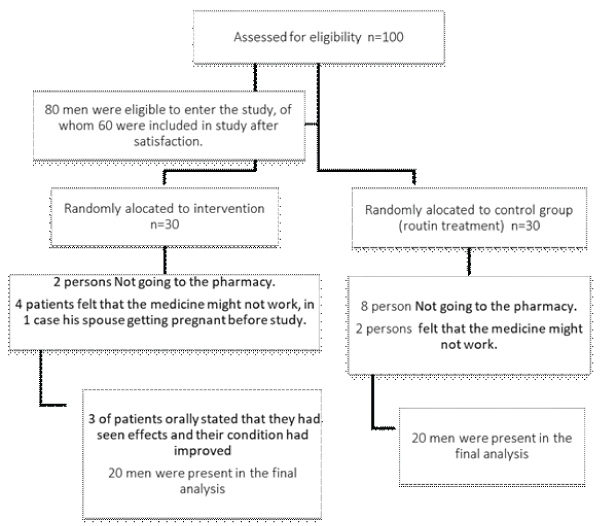
Figure 1:Flow diagram of participant enrolment and final analysis.
In this study, the focus was on sperm count, motility and number of sperm with normal shapes. Results from people taking pollen tablets showed in table 1.
Table 1:Effect of bee pollen tablets on patients, age range 22-48 years old (n=30).
Bee pollen tablet effects |
Patient No (%) |
Considerations |
Pregnancy of wife |
3 (10) |
|
Improve the patient's condition |
14 (46) |
Increasing the number, motility, and normal shape of sperms |
Not receiving medication |
2 (7) |
Not going to the pharmacy for unknown reasons |
Do not consumed medicine |
5 (17) |
Four patients felt that the medicine might not work, in 1 case his spouse became pregnant before taking the tablets |
No effect of the drug |
3 (10) |
|
Verbally stated that they saw a beneficial effect from the tablets, but they did not want to follow up |
3 (10) |
3 patients stated that they saw a beneficial effect from the bee pollen tablets and their condition had improved |
The results showed that pregnancy occurred in 3 (10%) cases and spermogram parameters improved in 14 (47%) cases. 2 of these 14 cases tended to take the medicine again because they were satisfied with its effects on their general condition and the improvement of the spermogram. In 5 out of 14 patients, sperm count was increased from 3 million/ml to more than 10 million/ml. In 9 of these 14 people, the movement and shape of the sperm had improved. Of the 5 patients who did not receive the medicine from the pharmacy, 4 felt dissatisfied and ineffective, and 1 of them his wife got pregnant before taking the bee pollen tablets.
2 patients (7%) had never visited the pharmacy to take the tablets for unknown reasons and in 3 cases (10%) of patients, the drug had no effect on spermogram parameters. Four patients refused to give the spermatogram results despite repeated follow-ups.
In the control group 20 out of 30 patients (age range 22-48 years old) were cooperated properly. In 2 of them (10%), spermogram parameters showed improvement and their wives became pregnant. None of the patients reported any significant side effects during the study, and the only important complication that has been mentioned in some studies is the possibility of allergy to bee pollen. Therefore, in this project the phrase "If you showed allergic reactions or shortness of breath as a result of taking the medicine, stop using it" was written on the product brochure. In addition, among the other problems mentioned in some articles is the possibility of microbial, fungal, heavy metal and pesticide contamination.
Male infertility is a multi-faceted condition with several potential contributing factors. Most commonly, occupational, environmental, and nutritional factors contribute to sperm count and motility. Sperm count and motility are ultimately responsible for fertility. This is the first official study on the effect of bee pollen on infertility in men. 14 cases (47%) improved spermogram status. 2 of these 14 people were very willing to take the bee pollen tablets again because they were very satisfied with its effect on improving their general conditions. We believe that if these patients were taking the bee pollen tablets again, their spouses might be pregnant.
According to the results obtained from this research in both groups, the effect of bee pollen tablets on infertility are quite comparable to the control group, that receiving common medicines in infertility, but the cost of treatment with bee pollen tablets is much lower than conventional infertility medicines.
Considering the country's population situation based on the aging population of Iran and the concerns of officials and policy makers regarding the reduction of population growth rate, the use of this drug may solve a part of the problem.
In conclusion, bee pollen tablets could improve the sperm count and motility compare to control group, so it may be a good medicine in infertile men. However, declaring a definite conclusion about the use of this medicine requires further studies on a larger number of populations.
Conflict of interest
Special thanks to Dr Mafinejad and his colleagues in Arshia Pathobiology Laboratory, Mashhad, Iran, for sampling and semen analysis reports. Also, thanks to Dr Sajjad Farajzadeh and Dr Mozaffari, in Sajjad Daru Pharmaceutical Company, Mashhad, Iran,for bee pollen tablets formulation. This investigation, whit the code number 961034, was financially supported by the Vice President in Research, Mashhad University of Medical Sciences, Mashhad, Iran.
Conflict of interest Authors declare that there is no conflict of interest
Author contributions
Boroushaki MT, Participated in study design, data collection and evaluation and responsible for overall supervision. Rakhshandeh H, data collection and evaluation. Jarahi L, drafting and statistical analysis. Shamsa A and Esmaeilnia S, Introduce patients to researchers to receive medication. Farajzadeh A. A, formulation and production of bee pollen tablets.